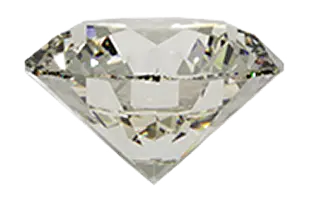
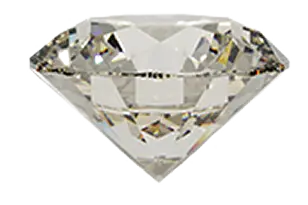
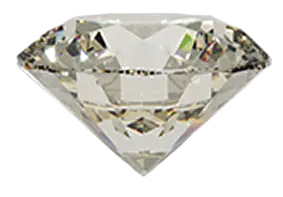
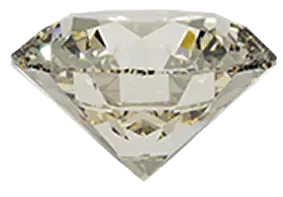
Understanding the 4Cs of a Diamond

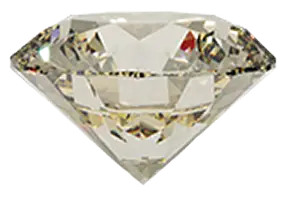
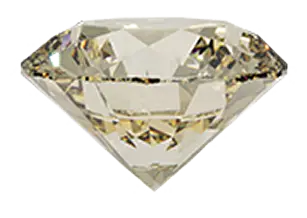
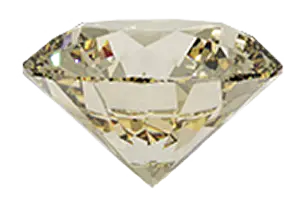
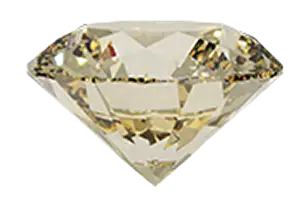
Every diamond is graded across four key characteristics – cut, clarity, colour and carat. Understanding each one helps you make a confident, informed decision and find the best diamond for your price point.

The Diamond Guide


01

Cut

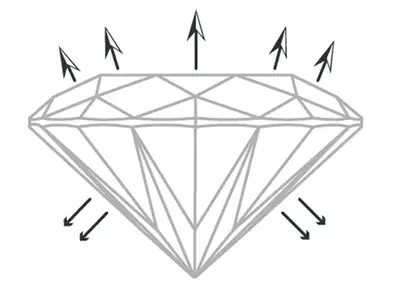
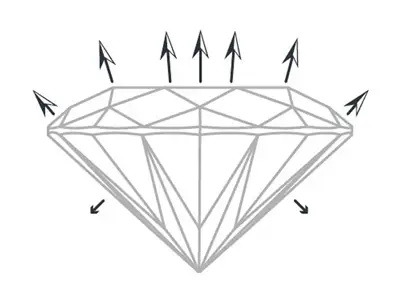
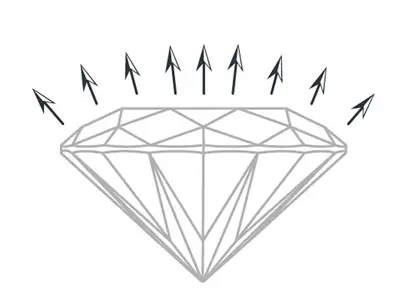
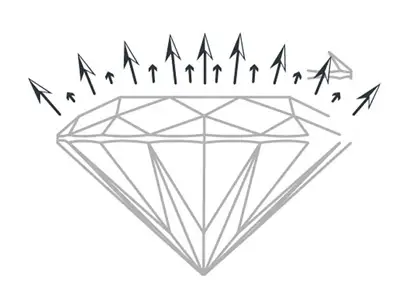
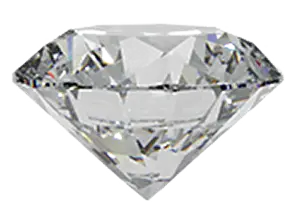
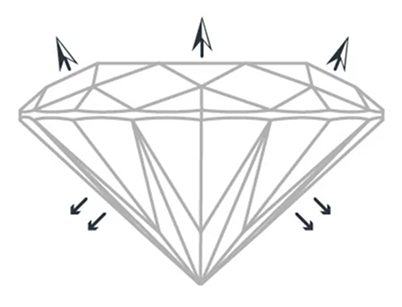
Cut is the most important of the 4Cs. It controls how a diamond handles light – creating its fire, brilliance and overall presence

02

Clarity

Cut is the most important of the 4Cs. It controls how a diamond handles light – creating its fire, brilliance and overall presence

03

Colour

Cut is the most important of the 4Cs. It controls how a diamond handles light – creating its fire, brilliance and overall presence

04

Carat

Cut is the most important of the 4Cs. It controls how a diamond handles light – creating its fire, brilliance and overall presence

01

Cut

Cut is the most important of the 4Cs. It controls how a diamond handles light – creating its fire, brilliance and overall presence. A well-cut diamond will always appear brighter and more refined than a larger stone with a lesser cut.

Expert Tip

If you need to balance budget, cut is the one area we strongly recommend prioritising. A smaller stone with an excellent cut will always look more impressive than a larger stone poorly cut. Our team will guide you through this during your consultation.

Consultation

Every piece begins with a conversation. We take the time to understand your vision, your style and your investment before anything else. There’s no pressure and no rush – just an honest discussion about what you have in mind. Book a consultation with our team to begin your custom journey.

Expert Tip

If you need to balance budget, cut is the one area we strongly recommend prioritising. A smaller stone with an excellent cut will always look more impressive than a larger stone poorly cut. Our team will guide you through this during your consultation.

02

Clarity

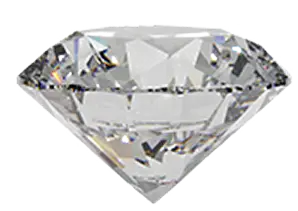
Clarity refers to the presence of natural inclusions or blemishes within a diamond. Most are invisible to the naked eye. What matters most is how the diamond looks — not just how it grades on a certificate. The scale below runs from Flawless to Included.

Expert Tip

VS1–VS2 offers the best balance of quality and value. An eye-clean SI1 can also be a smart choice — particularly if the inclusion sits where a prong will cover it. Our team will show you the difference in person.

Consultation

Every piece begins with a conversation. We take the time to understand your vision, your style and your investment before anything else. There’s no pressure and no rush – just an honest discussion about what you have in mind. Book a consultation with our team to begin your custom journey.

Expert Tip

VS1–VS2 offers the best balance of quality and value. An eye-clean SI1 can also be a smart choice — particularly if the inclusion sits where a prong will cover it. Our team will show you the difference in person.

03

Colour

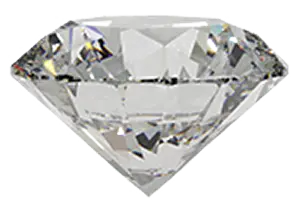
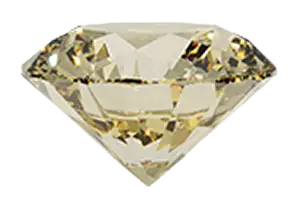
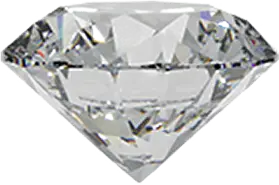
Diamonds are graded on a scale from D (colourless) to Z (light yellow). The most sought-after range sits between D and F due to their pure, bright white appearance in their setting. The less colour a white diamond has, the more valuable it typically is.

Expert Tip

G–H is the preferred balance for most customers — the stone appears perfectly white in a setting, and the savings over D–F grades can be significant.

Colourless

Near Colourless

Faint

Very Light

Consultation

Every piece begins with a conversation. We take the time to understand your vision, your style and your investment before anything else. There’s no pressure and no rush – just an honest discussion about what you have in mind. Book a consultation with our team to begin your custom journey.

Expert Tip

G–H is the preferred balance for most customers — the stone appears perfectly white in a setting, and the savings over D–F grades can be significant.

04

Carat

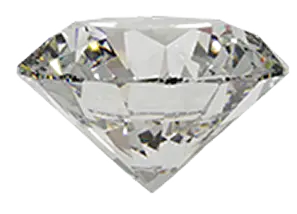
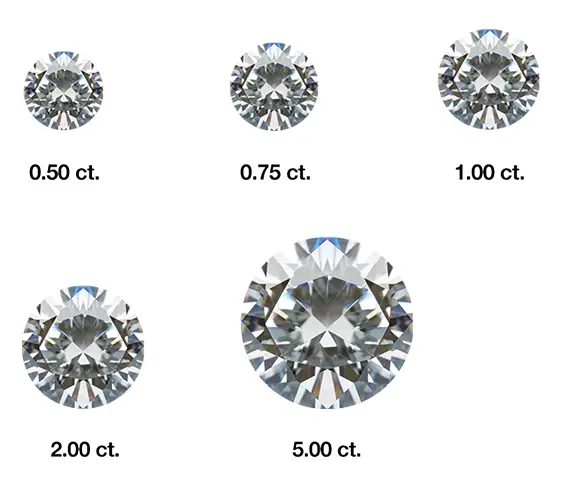
Carat refers to a diamond’s weight, not its visual size. Two stones of equal carat can appear quite different depending on cut and shape. Elongated shapes like oval and marquise tend to appear larger per carat than round diamonds because the weight is spread across a longer surface. We’ll work with you to find the right balance of size, quality and value for your price point.

Expert Tip

A well-cut 0.9ct diamond will often look identical to a 1.0ct stone — and cost significantly less. We’ll always show you options across carat weights so you can see the difference in person before deciding.

diamonds

Consultation

Every piece begins with a conversation. We take the time to understand your vision, your style and your investment before anything else. There’s no pressure and no rush – just an honest discussion about what you have in mind. Book a consultation with our team to begin your custom journey.

Expert Tip

A well-cut 0.9ct diamond will often look identical to a 1.0ct stone — and cost significantly less. We’ll always show you options across carat weights so you can see the difference in person before deciding.

Carat - Frequently
Asked Questions

A round 1 carat diamond measures approximately 6.5mm in diameter, roughly the size of a small pencil eraser. It appears larger once set and worn on the finger. Shape also affects perceived size — an oval or marquise of the same carat weight will look noticeably larger than a round stone because the weight is spread across a longer surface.

The most popular engagement ring size in Australia sits between 1ct and 1.2ct. That said, the right size depends on your hand, setting style and budget - not a number. A well-cut 0.8ct in the right setting can look more impressive than a poorly cut 1.2ct. We always recommend viewing stones in person before deciding.

Visually, almost always yes. The difference is less than 0.2mm in diameter - imperceptible to the naked eye. However, diamonds are priced in tiers at round carat weights, so the price difference can be meaningful. Choosing a 0.9ct or 0.95ct stone is one of the smartest ways to maximise your budget without any visible compromise.

No. Carat measures weight, not brilliance. Sparkle is determined by cut quality. A smaller diamond with an excellent cut will consistently outshine a larger stone with a poor cut. Always prioritise cut over carat size.

Total carat weight (TCW) refers to the combined weight of all diamonds in a piece. A ring listed as "2ct total" may have a centre stone of 1ct with the remainder made up of smaller side or halo stones. When comparing rings, always check whether the carat weight refers to the centre stone alone or the total weight of all diamonds combined.

Focus on getting the best cut (priority), clarity and colour within your budget, then select your preferred carat size that still meets those standards. Book a consultation and we'll show you exactly what's available at your ideal price point.

Natural Diamond vs Lab Grown

Both natural and lab-grown diamonds are real diamonds — chemically, physically and optically identical. The difference lies in how they were formed.

Natural Diamonds

Formed deep within the earth over billions of years under extreme heat and pressure. Each stone is entirely unique; no two natural diamonds are the same. Because of their rarity, natural diamonds hold their value over time and are considered a long-term investment. All natural diamonds are GIA certified.

Lab-Grown Diamonds

Created in a laboratory environment that replicates the conditions under which natural diamonds form. The result is a stone identical to a mined diamond — not a simulant. One of the most compelling reasons to consider a lab-grown diamond is their affordability. You can typically achieve a larger, higher-quality stone for the same spend as a natural diamond, without the environmental impact associated with mining. All lab-grown diamonds are IGI certified.

Which is right for you?

If long-term value retention and the rarity of a naturally formed stone matters to you, a natural diamond is the right choice. If you’re looking to maximise size or quality within your price point, a lab-grown diamond offers exceptional value. Our team will walk you through both options so you can make the decision that’s right for you.

Jewellery Care Guide

Fine jewellery is designed to be worn and enjoyed every day. With the right care, your pieces will maintain their beauty for years to come.

Everyday Wear

Cleaning at Home

Professional Care

Complimentary Cleaning — Unlimited, For Life

All jewellery purchased from Zed n Zed Jewellers is eligible for complimentary professional cleaning in-store, unlimited and for the life of the piece. Simply bring your jewellery in at any time – no appointment necessary. Please note that rhodium replating for white gold is available as a separate service and is not included in the complimentary cleaning offer.